Shared by Ben Littauer — Business partner
September 26, 2026
I had gone from BBN to Lotus, then Symantec and Sun Microsystems TOPS division. After BBN I worked on email projects, and when TOPS asked me to move to California for the next release of the InBox product there, I declined, but thought I might do my own thing building add-ins to their product. My former manager there hinted that this was not a good business plan, as they were about to kill off the product, so I ended up at a 10-person email startup called Notework.
In the meantime Pete had finished off his Caribbean sailing and had moved to Washington, DC, “chasing a skirt”, as he put it. This led to his meeting Jessica, and when she moved to Boston for law school, so did Pete. So we reconnected. Notework was looking for some programming help, so I brought Pete in as a contractor. Shortly thereafter Notework fired me (I was the second of six engineering managers they went through before things stabilized) but kept Pete on.
While working as a contractor in DC, Pete had developed a remote access tool that let Unix systems access PCs. I found myself thinking about network management for email (harking back to my BBN NU/NMS experience) and came up with the concept of MailCheck – “ping” at the email level. Pete and I decided to throw our products into a pool and work on both of them together, and thus was Baranof Software born in 1991.
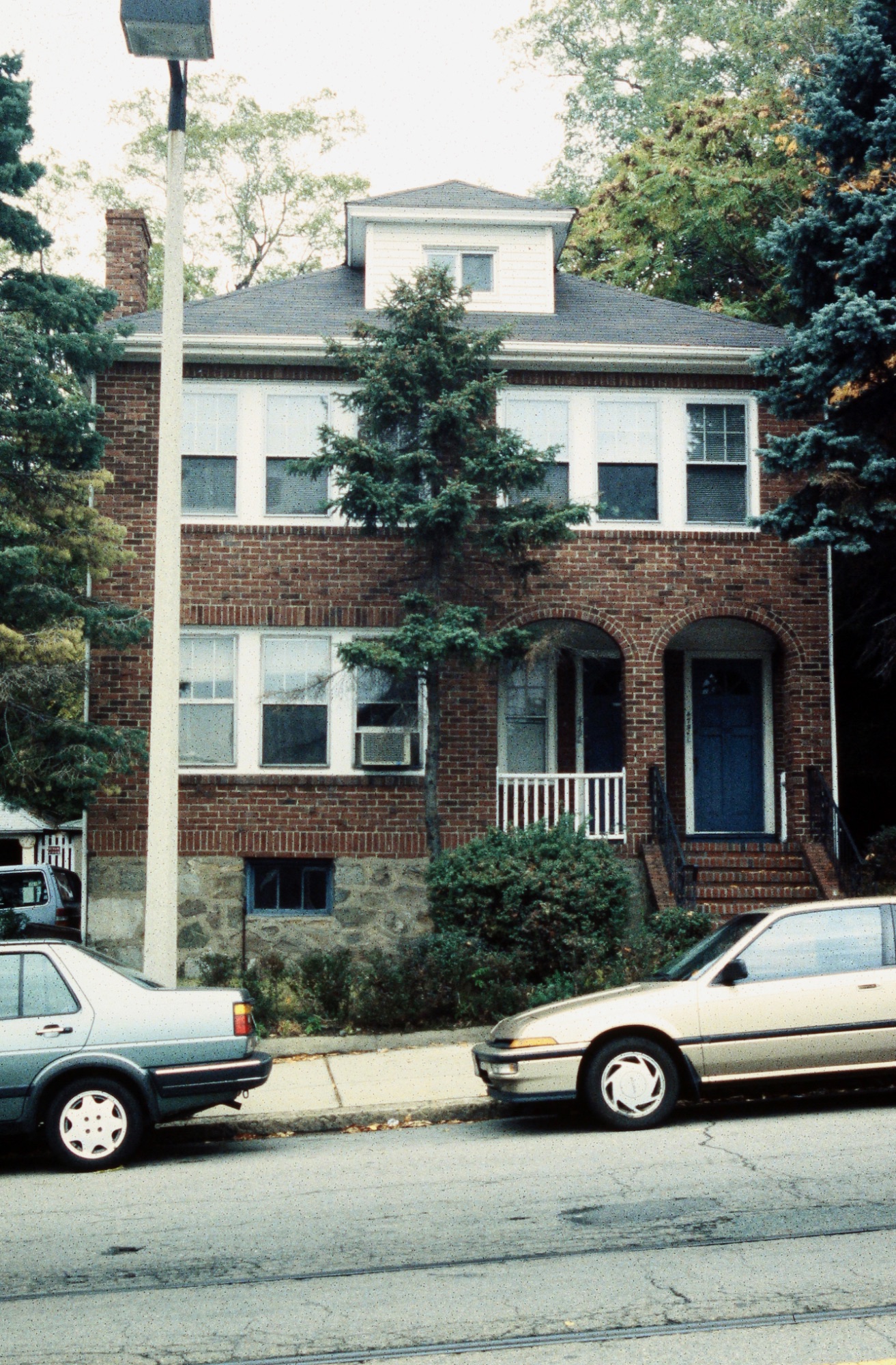
I knew from prior experience that I really preferred an office environment to working alone at home, so we rented the first floor of a two family house in Brighton. It had been a doctor’s office, but he had retired and was living upstairs with his wife. We moved in and started development. We brought in a fellow to help us with sales, and he provided us with two major breakthroughs: he sold off the Unix product for essentially no money, and he told us to develop a demo version of our software that didn’t require installation on real servers, as our actual product did. We parted company with him after that, as we needed someone to bang out sales calls for the demo, and that was not his schtick.
Our next hire was that salesperson, and we started to actually sell MailCheck to large customers like Chevron, who were running the clunky desktop email systems of the day, but had no idea whether mail was getting through.
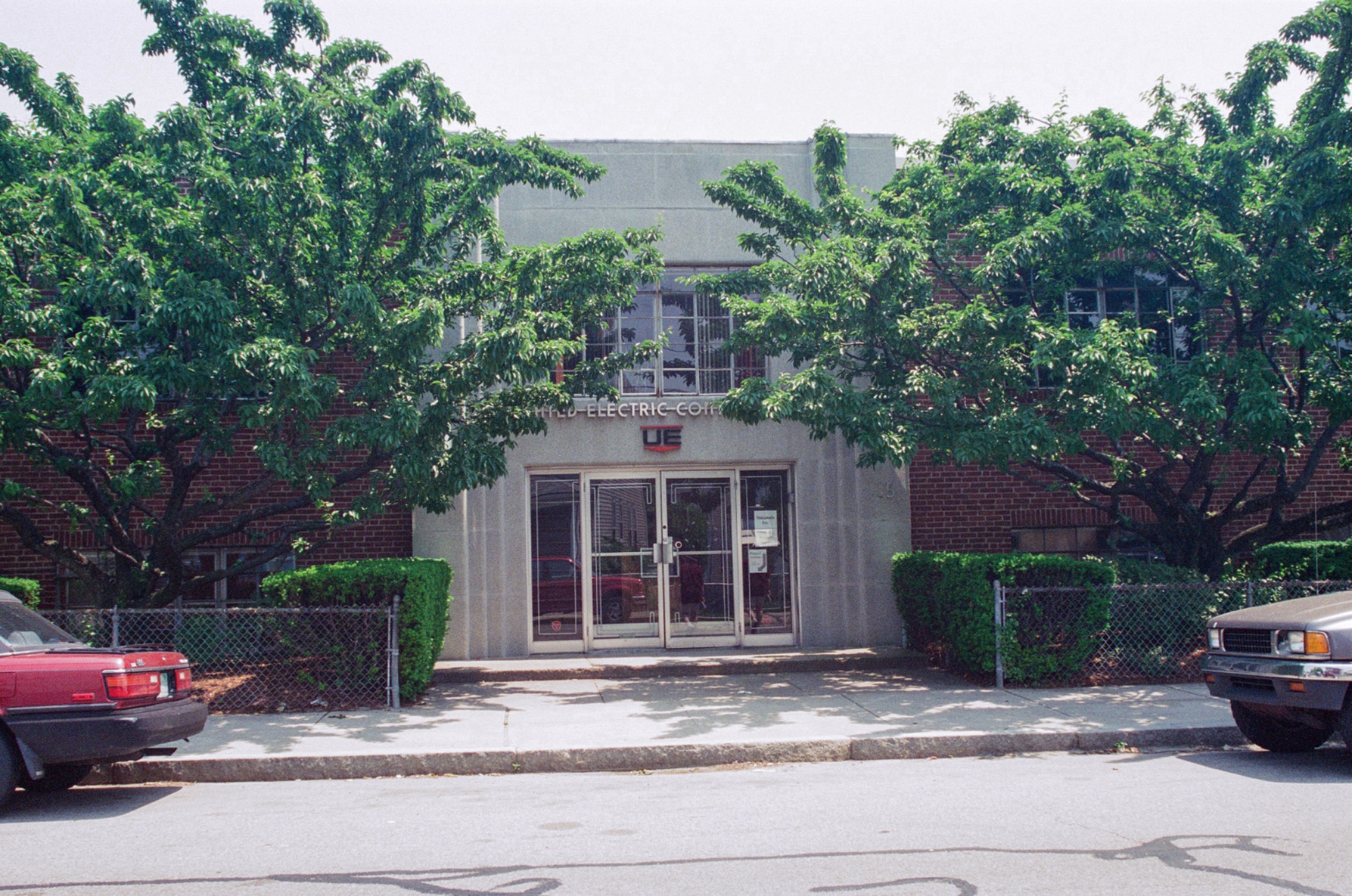
Pete was always the guy who kept the company running smoothly and also implemented my crazy ideas, while I was responsible for coming up with those ideas and also being the face of the company at trade shows and conferences. Over time we got to be perhaps 12 people in that Brighton office and we needed to move, so we found space in Watertown.
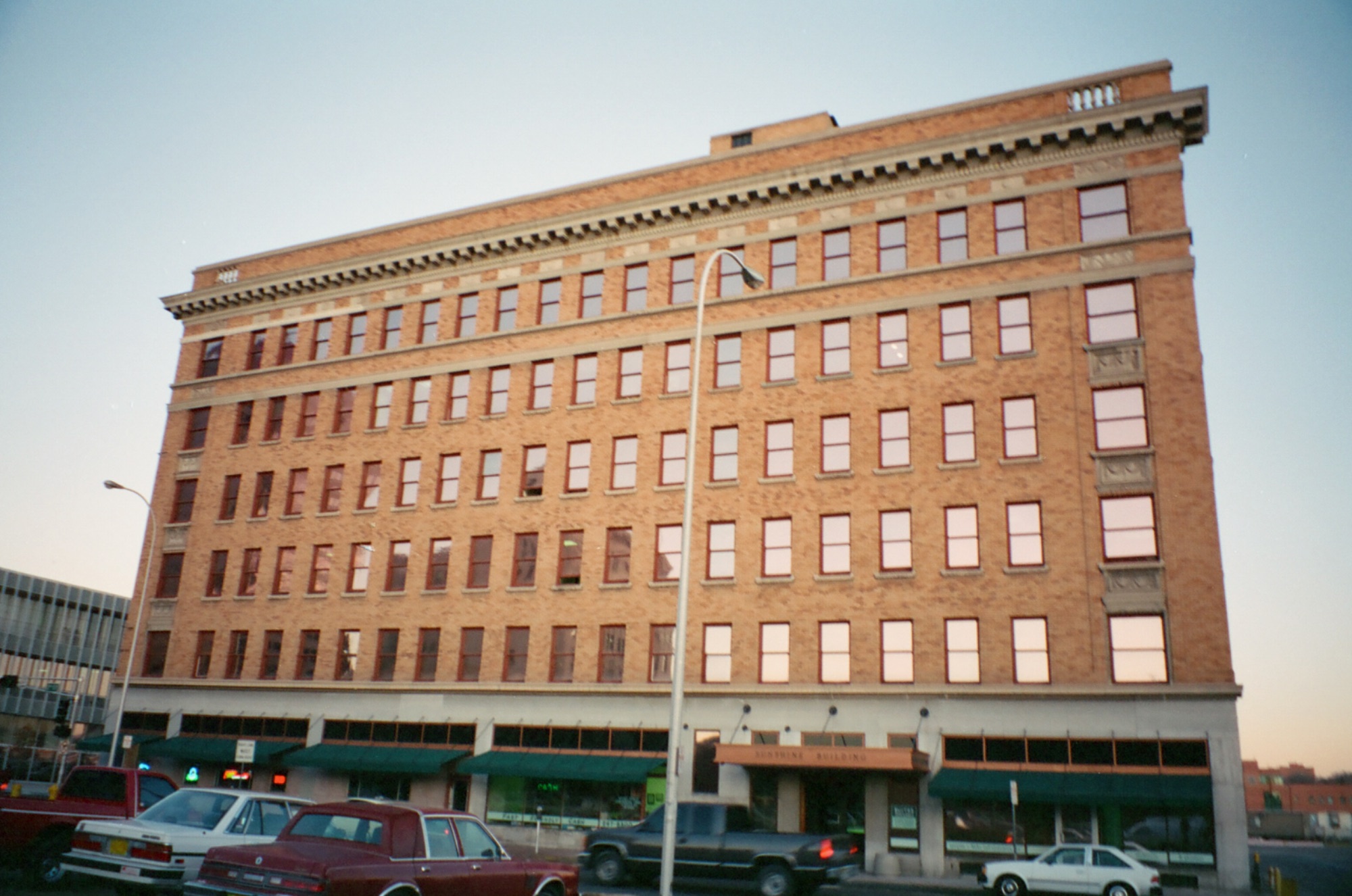
Jessica, in the meantime, had finished her law degree and wanted to move to Albuquerque to practice water rights law, so Baranof faced a decision: have Pete be a lone wolf programmer out there, or split the company and build the development shop around him. We chose the latter, and fortune smiled upon us. Albuquerque turned out to have a lot of talented programmers available and salaries out there were much lower. Pieter built out a development shop in the Sunshine Building in downtown Albuquerque, and Ben ran sales and marketing with a staff of about 20 people in Watertown. Shortly after that, we found ourselves lacking tech support people at HQ, and discovered that we were again able to fill positions quickly and less expensively in ABQ, so Pete had more people under his wing.
Baranof had built its sales and marketing on a direct mail / phone follow-up model (that we’d “borrowed” from Notework), and we thought we could bring a couple more products into the fold. Ben thought up ModemCheck and IP.Check, and Pete and his team whipped each of them together in record time. In addition, we tried bringing in some third-party products to sell to our customer base. Sadly, none of these had the positive response we’d seen with Mailcheck, so they can’t be considered successes.
By the mid-1990s the worldwide web had started to be used by IT folks everywhere, so the direct mail model was no longer performing as well as it had. Pete and I realized that we were going to have to make a radical shift in our sales process in order to adapt to the new reality. This would have involved layoffs and restructuring while we figured out the new plans, and neither of us really wanted to face that. So we decided to put the company on the market and eventually sold to another private company.
The sale was not a huge one (we sold in Internet bubble times, but not for Internet multiples), and it was part cash and part royalties. At the closing Pete and I looked at each other and asked, “if this is all there is, are we still happy with the deal?” We both answered yes, and I don’t think either of us had regrets.
The other company did not find a way to make the Baranof products fit with their own products, so I left very soon after the acquisition. Pete, though, had a longer-term contract that basically put him in the enviable position of having to do little work (since it was mostly on Baranof products, which were not undergoing major revisions by then) and looking forward to a fairly nice payday at the end of this contract. This left him with a good deal of free time, which he spent driving around New Mexico looking at how barns were built so he could build his own.
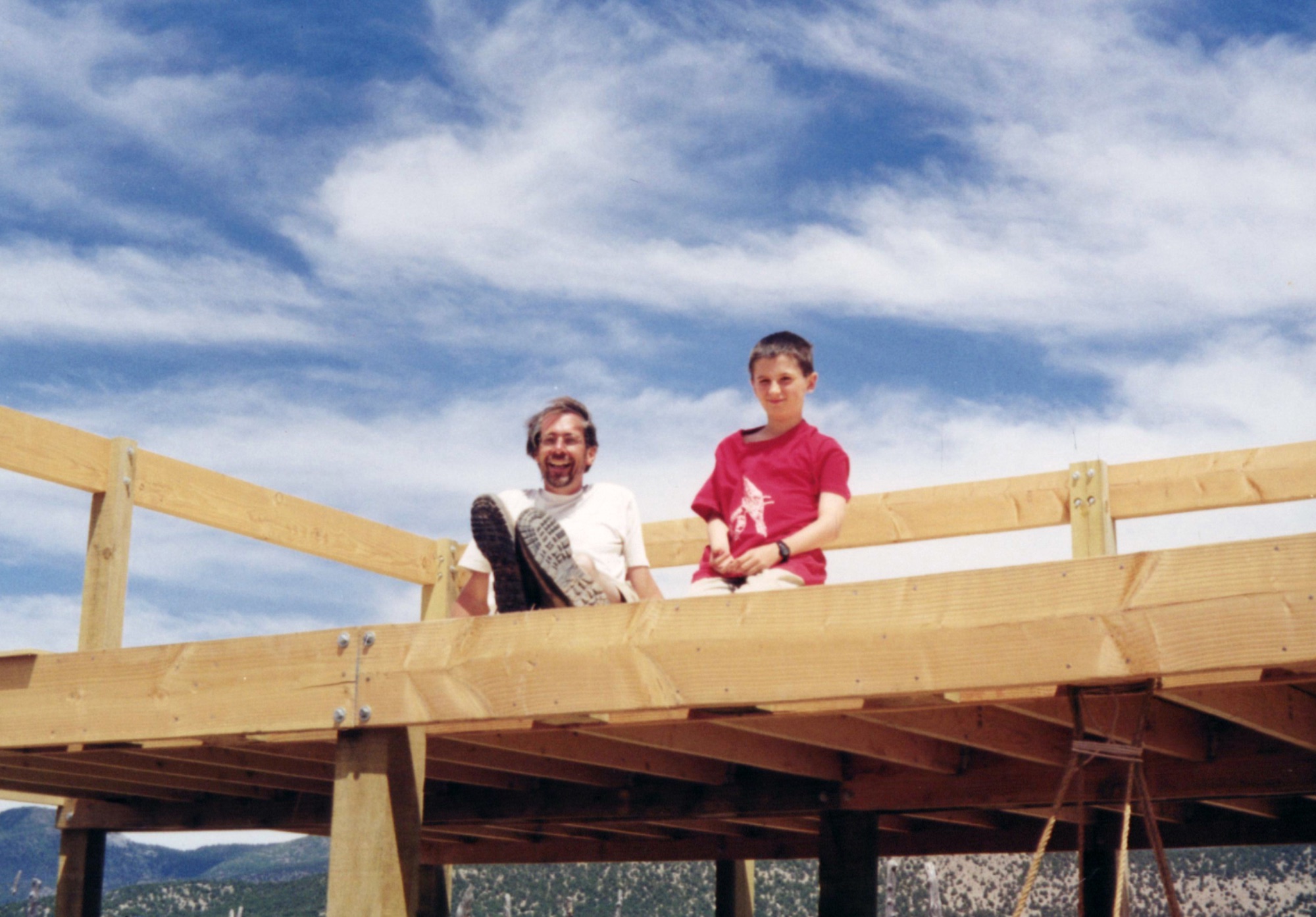
Pete and Jessica had bought a tract of land in the middle of nowhere, and eventually they developed Dunhill Ranch. But well before that my family got to help Pete put up rafters in the barn, the first structure on the land, on one of our visits.
Pete was the best business partner I could have imagined. He was an inspired programmer; he was well read and could write great English (which was not usual in a software engineer); he had a wonderful way with people; his Germanic love for order was a great counterbalance to my flights of fancy. The best thing about the whole Baranof experience, which Pete and I both contributed to, was that we respected each other and all the people we brought into the company. We were both told by several employees that Baranof had been one of their favorite work experiences.